MISSION BRIEFING
31 slash commands. Type one. Watch the agents mobilize.
31 commands. Four groups. Every one activates a full agent team — you just pick the mission. STRIKE OPS creates things. FIELD OPS scales them. RECON OPS tears them apart to make sure they hold. BASE OPS keeps the forge itself running. Pick your weapon.
 Coulson
Since v23.8 the Silver Surfer Gate is enforced by a PreToolUse hook — skipping the pre-scan is mechanically blocked, not just asked-against. Use --focus "topic" to bias dispatch toward a domain. Opt out with --light, --interactive, or --solo.
STRIKE OPS
Type one command. Watch the forge ignite.
/buildAll agentsAllExecute the full 13-phase build protocol from PRD to production.
/assembleFuryAll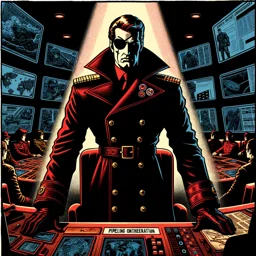
The full pipeline. Architect → Build → Triple Review → UX → Double Security → DevOps → QA → Test → Crossfire → Council. The review-heavy fan-out phases now run as a dynamic Workflow (ADR-067) over the mission's working diff, keeping the 15+-agent fan-out out of the lead's context; the build phases stay prose orchestration. One command to rule them all.
/campaignSiskoAll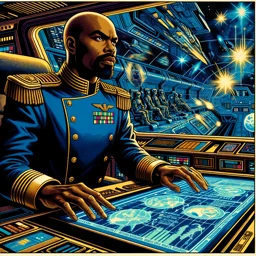
The war room. Sisko reads the PRD, identifies every remaining mission, and executes them one by one — running /assemble for each — until the entire product is complete. Autonomous execution is the default — no flag needed.
/imagineCelebrimborAll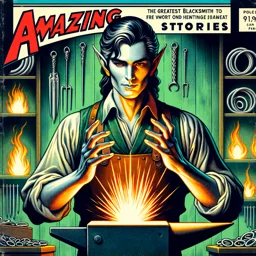
The forge artist. Celebrimbor scans the PRD for visual asset requirements, derives a style from the brand section, and generates images via DALL-E 3. Portraits, illustrations, OG images, hero art — whatever the PRD describes and code can't produce.
/prdSiskoAllThe PRD generator. Sisko runs a 5-act structured interview — product vision, tech stack, features, UI, shipping plan — and produces a complete PRD with valid YAML frontmatter.
/blueprintPicardAll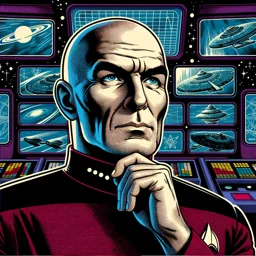
The Blueprint Path — validate a pre-written PRD, discover supporting docs, merge directives, provision infrastructure, and hand off to /campaign for autonomous build.
FIELD OPS
FORGE LABS →Build it. Then grow it.
/growKelsierFull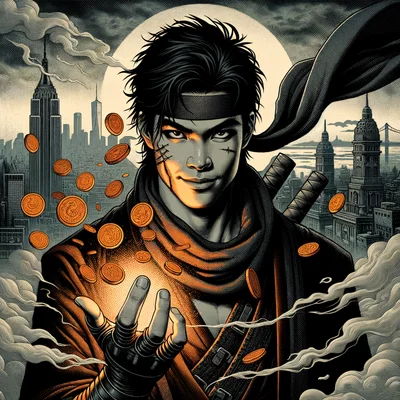
Kelsier's 6-phase growth protocol. Audit your product, optimize SEO, create content, run ads, manage outreach, measure results. The forge that grows what it builds.
/treasuryDocksonFull
Dockson's per-project financial operations. Connect revenue sources, allocate budgets, execute spend, reconcile daily. Treasury paths are project-scoped — each project has its own spend-log, revenue-log, and budget files.
/portfolioDocksonFullDockson's cross-project financials. Track all VoidForge projects from one place — status, revenue, traffic, ad spend, ROAS.
/cultivationKelsierFullPlant the growth engine. Cultivation wires up ad platforms, analytics, content pipelines, and social scheduling — the infrastructure Kelsier's crew needs before they can burn.
/currentTuvokFull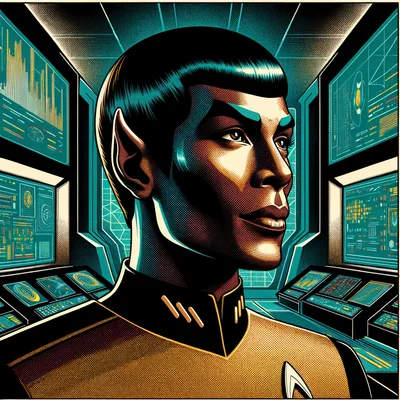
Tuvok's Deep Current — autonomous campaign intelligence. Scans the site, analyzes the market, proposes growth campaigns, learns from results. The forge that thinks about what to build next.
RECON OPS
Trust nothing. Verify everything.
/qaBatmanAll
The double-pass. Batman's team probes every path, every boundary, every assumption. Then they do it again. If it breaks, they already know.
/testBatmanAllBatman writes the tests everyone else forgot. Coverage gaps identified, test architecture designed, missing paths covered. The Dark Knight doesn't leave witnesses.
/sentinelKenobiAll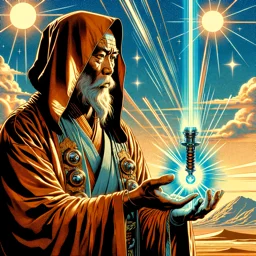
OWASP audit with parallel and sequential phases and red-team verification. Critical and High findings pass through a vote-based REFUTE Gate — cross-universe skeptics default to REFUTED and must confirm each finding in the actual code before a fix is spent, then re-rate its severity from the votes. Canonical name for the security command (ADR-050).
/securityKenobiAllOWASP audit with parallel and sequential phases and red-team verification.
/uxGaladrielAll
Adversarial UX/UI review with a11y audit and verification pass.
/engagePicardAllPicard reads every line against the pattern library. Every Must Fix and Should Fix finding now passes through a vote-based REFUTE Gate — cross-universe skeptics default to REFUTED and must confirm it in the actual code before it reaches the fix batch. A --pre-deploy --diff mode scopes the review to the working-tree diff, auto-sizes the lens panel to the change, and makes the verify pass mandatory. Canonical name for the review command (ADR-050) — coexists with Claude Code's native /review skill.
/reviewPicardAllPicard reads every line against the pattern library. Compliance, quality, maintainability. If it doesn't meet the standard, it doesn't ship.
/gauntletThanosAll
The ultimate test. 5 rounds, 30+ agents across 9 universes, escalating from discovery to adversarial warfare. Re-platformed onto a dynamic Workflow (ADR-067): discovery → JS dedupe → 3-lens adversarial REFUTE verify → crossfire → council, with the 60–80 agents' findings kept out of the lead's context. Review-only — no build. If your project survives the snap, it's ready for anything.
/assessPicardAllPicard's pre-build assessment — evaluate an existing codebase before a rebuild, migration, or VoidForge onboarding. Chains architecture review, assessment-mode Gauntlet, and PRD gap analysis into a unified 'State of the Codebase' report.
/aiHari SeldonAll
Seldon's AI Intelligence Audit — reviews every LLM-powered component in your application. Model selection, prompt architecture, tool-use schemas, orchestration patterns, evaluation strategy, safety, token economics, and observability.
/audit-docsCoulsonAllA lean, code-free audit of the documentation corpus only. A Surfer-led doc roster — Troi, Wong, Irulan, Coulson — hunts four classes of defect: doc-currency drift, broken cross-references, command↔method desync, and version-SSOT inconsistency. Report-only — it reads no application source, runs no build, and writes no fixes.
BASE OPS
Run the forge. Sharpen the blade.
/devopsKusanagiAll
Kusanagi provisions, deploys, and monitors. Six deploy targets, automatic SSL, health checks that actually check health. The Major doesn't do half-measures.
/architectPicardAllPicard reviews the big decisions. Schema design, scaling strategy, ADRs. When agents disagree, he resolves the conflict. Make it so — but make it maintainable.
/gitCoulsonAllVersion bump, changelog, commit — full release management. Now with release discipline: the version tag is applied by default (a tagless release commit is invisible to release tooling), and npm publishing is gated behind an explicit --npm opt-in that only ships packages whose version matches the bump, in dependency order.
/voidBombadilAll
Old Tom keeps the forge in tune. Runs voidforge update to pull the latest methodology from npm, and makes sure the tools that build your tools stay sharp.
/thumperChaniFull
Telegram bridge with Gom Jabbar authentication and sandworm relay.
/debriefBashirAll
The field medic. Bashir examines what happened during a build or campaign, diagnoses what went wrong, traces root causes, and writes a post-mortem that prevents the same failure from recurring. Can file upstream issues to improve VoidForge itself.
/dangerroomFuryFORGE LABSFullPer-project mission control — a tab inside the project dashboard with build progress, agent activity, findings, deploy status, and campaign state. WebSocket broadcasts are project-scoped via subscription rooms. Access controlled by resolveProject() middleware.
/deployKusanagiAllKusanagi's deploy agent — target detection, pre-deploy checks, deploy execution, health verification, rollback on failure. Supports VPS, Vercel, Railway, Docker, Cloudflare, and static targets.
/vaultHari SeldonAllSeldon's Time Vault — distill session intelligence into a portable briefing for session handoff. Preserves decisions, failed approaches, cross-module relationships, and execution plans so the next session starts informed.